

William Hawkin Arthur was one of the most renowned smugglers in Gower throughout the 18th Century. He famously operated out of Great Highway Farm in Pennard, alongside his criminal associate, John Griffiths, who lived in the neighbouring Little Highway Farm.
Both these farmhouses were used to store illegal contraband. In 1786, a dozen revenue officers attacked Great Highway Farm, but Arthur was informed of their plan and was ready for them with “… a Body of desperate fellows … amounted to One hundred”. After a fierce fight, the revenue men were forced to retreat. Raids on the farm would continue with two more taking place in 1788 alone.
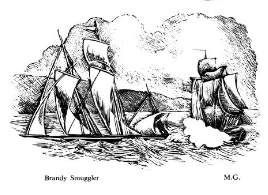
“… the most daring smuggler in Glamorgan during the eighteenth century” – The Swansea Tax Collector, 1788.
The Highway farms were a strange choice as a base of operations for smuggling as it was near Swansea and could be easily accessed by revenue officers. This is perhaps the reason why these farmhouses were raided so often. In 1804, both farmhouses were raided and illegal goods were found in the cellars. According to the Swansea tax officer, “these farms were supplied many years with foreign spirits and other uncustomed goods to a vast amount.” In the process of guarding the illegal contraband, a mob appeared at the farms and started a fight with the revenue officers. During the struggle seventeen casks of brandy disappeared.
A similar story is told in Gower about a revenue officer who found a cask of brandy hidden in the attic of one of the Highway farms. He sent for more men to help him while he kept watch on the cask. Downstairs, the smugglers started shouting and singing which masked the sound of a hole being drilled through the ceiling and into the cask. The brandy was strategically emptied into a tub downstairs. While there is no evidence this story is true, it shows that folklore had formed around William Hawkin Arthur and the smugglers of Highway Farm.
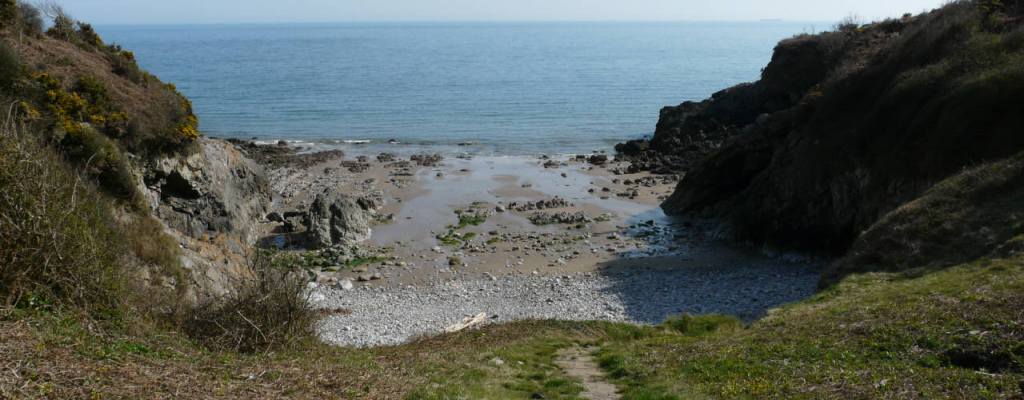
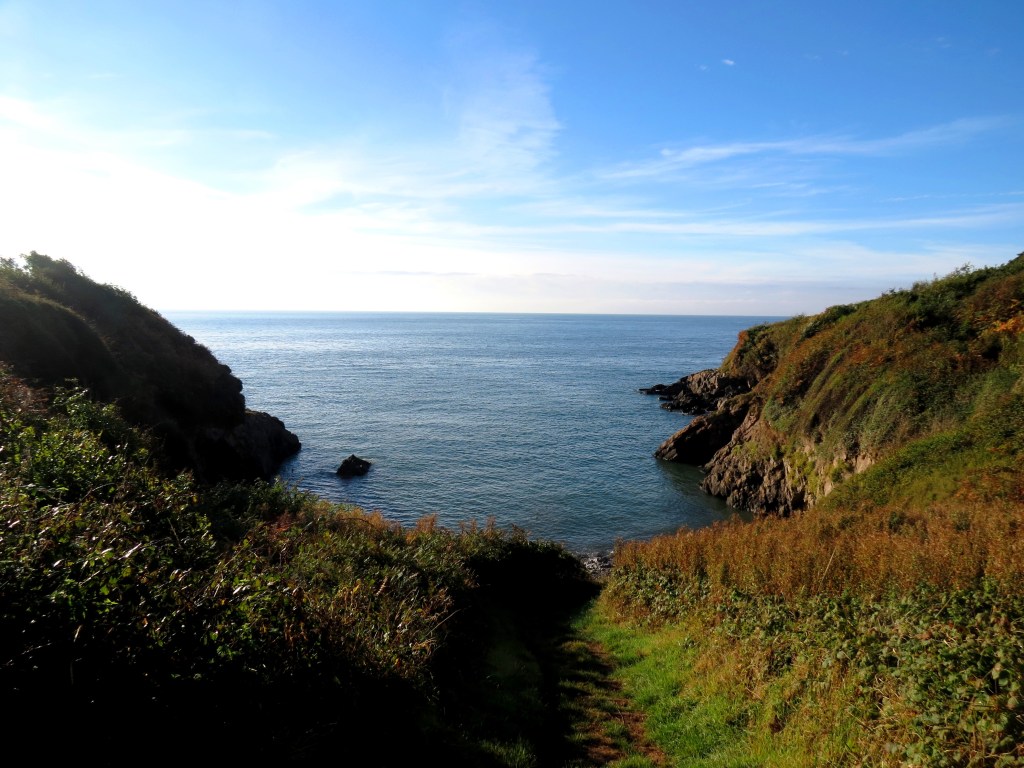
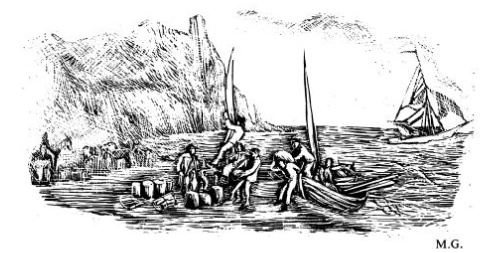
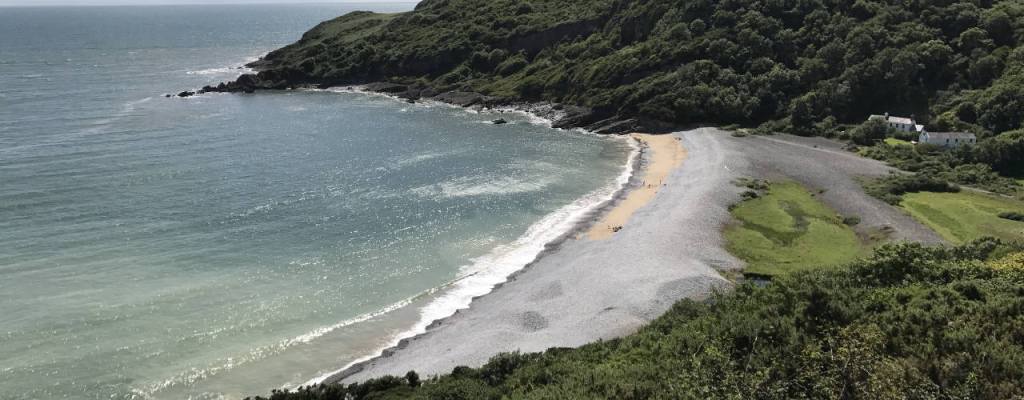
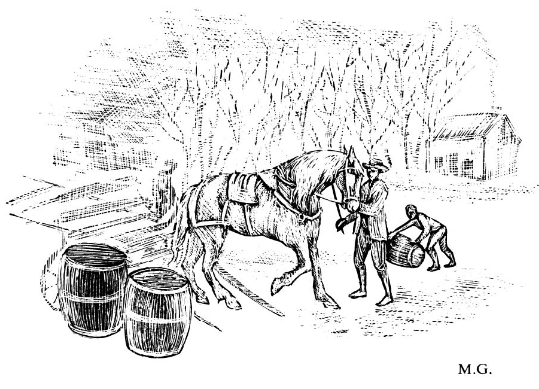
According to local legends, the illegal contraband was landed at Brandy Cove before hauled by pack-horses through Bishopston Valley. Overtime, Brandy Cove was used less as Pwll Du beach became the primary location for the smugglers to land their illegal goods as it was situated closer to the Highway farms. The illegal contraband was taken down the aptly named Smuggler’s Lane to the Highway farms to be stored. For many years, Smuggler’s Lane was overgrown and virtually impassable, but it has now been cleared and can be safety negotiated by foot. The lane is between tall banks which hides it from the surrounding fields.
As the revenue service only employed three men to guard the extensive coasts of Gower for much of the 18th Century, it is understandable how smuggling was commonplace. Even when the revenue service was able to deploy more officers, Arthur was usually ready. On one occasion in 1786, Arthur was informed that the Customs at Swansea were aware of his illegal activities. Fourteen revenue men surrounded Great Highway Farm only to find It completely deserted. When an officer knocked at the door, a sleepy voice refused them entry and denied all knowledge of illegal contraband. Suddenly, a gang of fifty masked men attacked the revenue officers. They were armed with pokers, iron bars, long knives, bricks and other weaponry. The unarmed revenue officers were quickly overpowered and forced to retreat.
Tales of Arthur’s ruthlessness against men of the law gave him a feared reputation amongst revenue officers. In 1788, they requested a navy ship to be permanently at Penarth and for sixty soldiers to help them take Barry Island, where Arthur had also had a base of operations. During that year, the revenue men raided Barry Island twice. Finally in 1791, Arthur was driven from Barry Island with the help of sixty armed dragoons.
One of Arthur’s ships was named the Cornwall, a pilot boat which was stationed at Ilfracombe in Devon. Pilot boatswere used by smugglers to meet larger ships that had reached the Bristol Channel and guide them safely to port while taking the opportunity to offload any illegal contraband before they landed. The Cornwall had been caught several times with illegal goods on board, but every time the captain had a sufficient excuse and was released.
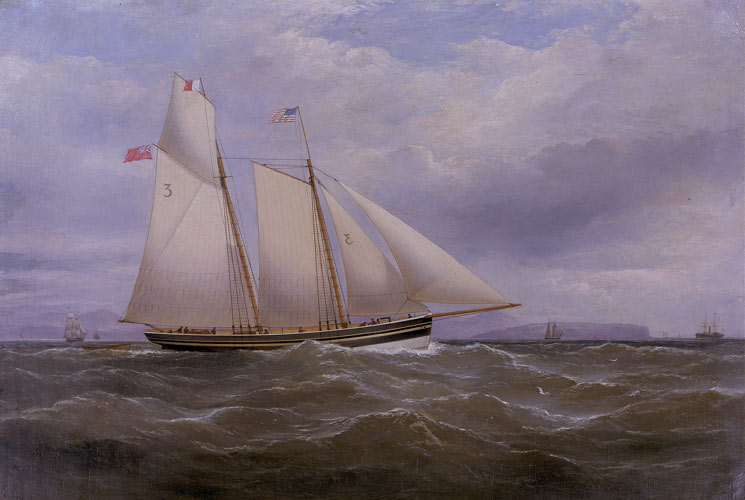
In 1783, the Cornwall was captured with gin and tea found onboard. The revenue officers seized both the ship and the goods which caused Arthur to subsequently write to the revenue service. He asked the revenue service to release his ship as the brandy and tea had been placed on board without the knowledge of the captain or himself. According to Peter Fosse, the Ilfracombe Tax Collector, the Cornwall had been used “in an illicit trade between the island of Lundy and the coasts of Cornwall, Devon, Somerset and Wales in the Bristol Channel”. He added that there was “great reason to think that the seizure of tea and brandy made by the officers here in the month of November last came out of the said boat, as she lay at anchor near the place where the seizure was made”. The revenue service refused Arthur’s submission and the Cornwall was sawn into three sections and sold to pay costs and provide a reward for the revenue officers.
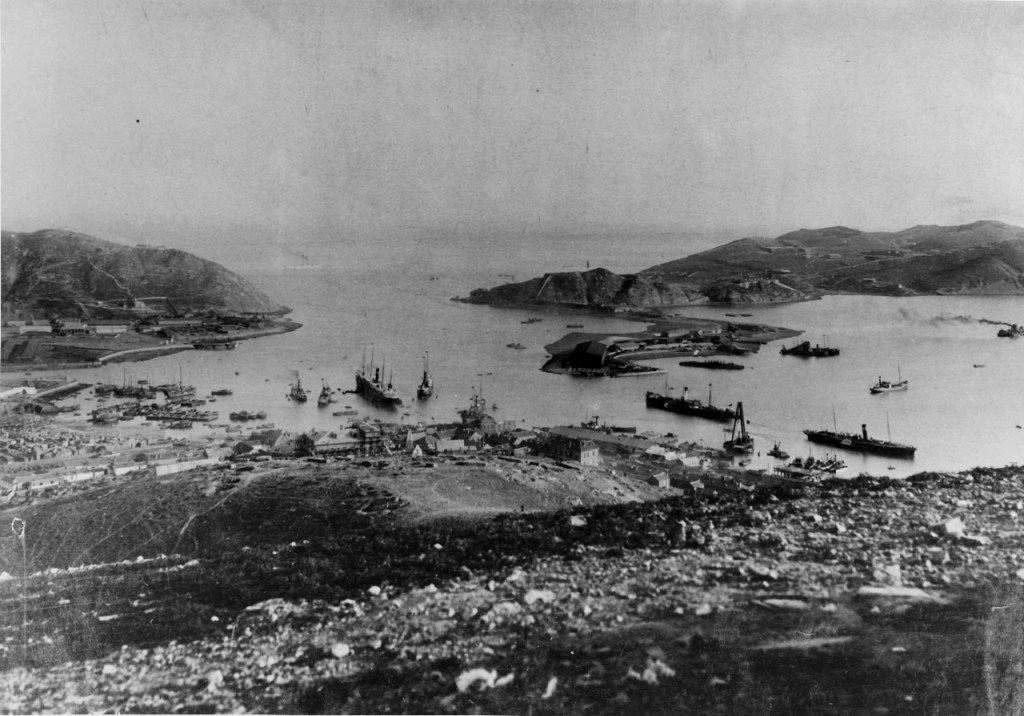
Allegedly, the Arthur family moved to Ynystawe, between Clydach and Morriston, where they built a large house called Cwmdwr. One of William Hawkin Arthur’s descendants became vice-admiral in the Royal Navy. Vice-admiral William Arthur is famous for surveying the harbour at modern day Loushunk’ou, China. As such, English-language diplomatic, news, and historical writings call it Port Arthur.
Further Reading
- T. Elias and Dafydd Meirion, Smugglers of Wales, (Llanrwst: Gwasg Carreg Gwalch, 2017).
- K. Watkins, Welsh Smugglers, (Cornwall: James Pike Ltd, 1975).
- P. Ferris, Gower in History: Myth, People, Landscape, (Hay on Wye: Armanaleg Books, 2009).
- H. Holt, Pwlldu Remembered: The Story of Gower’s Smallest Village (Swansea: Published by the author, 1996).
- M. Gibbs, “Brandy for Parsons,” Gower, vol.24 (1973) pp.44-50.
- C. D. Morgan, Wanderings in Gower: A Perfect Guide to the Tourist, with All the Lays, Legends and Customs, and Glossary of Thye Dialect, (Swansea: printed at ‘The Cambrian’ office, 1886).
 Pirates of Port Eynon
Leave a comment